
Busan

Busan에 대해 상세히 안내해 드립니다.

Busan

Here's an introduction to Busan
los_bg
los_bg
los_bg
los_bg
los_bg

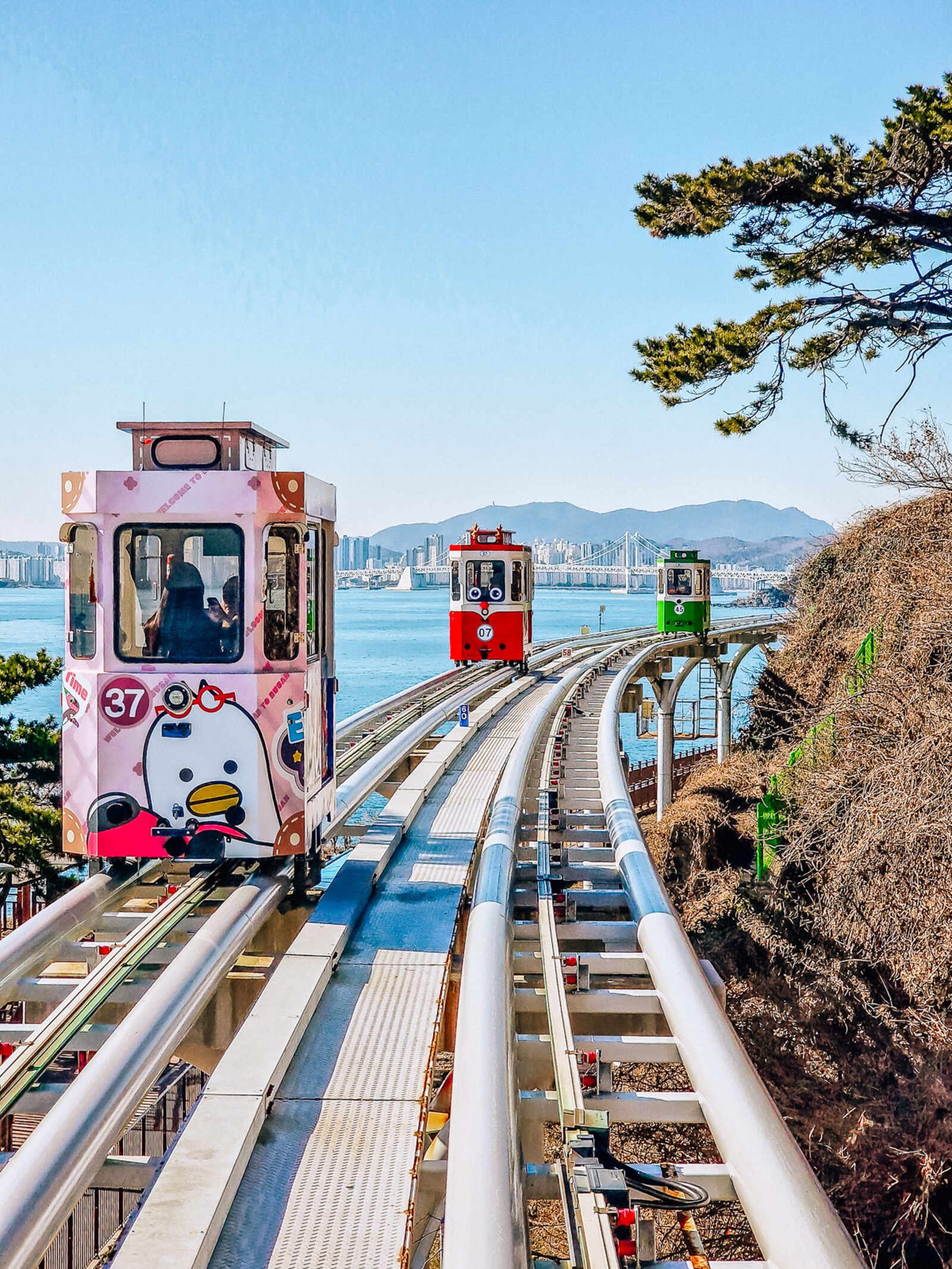
Busan is the second-largest city in South Korea and a representative coastal city.
It is well known for its beautiful beaches, such as Haeundae and Gwangalli, as well as its stunning natural scenery.
As an international city, Busan has a high proportion of foreign residents and offers an open and culturally diverse atmosphere.
Many universities, including Busan National University, Kyungsung University, and Dong-A University, actively operate programs for international students.
In addition, Busan provides convenient access for overseas travel with Gimhae International Airport and an international passenger terminal.
Although some adaptation to the local dialect and culture may be required, Busan is known for its warm and friendly people.
It is highly recommended for those who wish to balance their studies and daily life in a vibrant yet relaxed environment.
Busan 추천학교

Busan 추천학교입니다.

SILLA UNIVERSITY

The Park Young Foundation, established to cultivate pioneering Korean women leaders, founded Busan Women's Junior College in 1954 under the vision of Mr.Park Young-taek: "Education of talented indivisuals through the practice of philanthropy", embodying a spirit of love and service dedicated to helping others. Honoring this noble founding principle, his successor, Mr. Park Hae-gon, developed the insitution into a four-year university, Busan Women's University, with the goal of nurturing progressive women leaders who would guide the future of the nation and contribute to humanity. In 1997, the university underwent a second founding as Silla University to cultivate creative talents capable of adapting to the diverse society of the 21st century knowledge and information era. Silla University carries foward the ideals of Hongik Ingan and philanthropic education, fostering individuals who pursue truth, engage in creative scholarship, and contribute to the creation of new culture. The university aims to nurture talented people who love humanity, serve society, lead the nation's future and ultimately contribute to the common good of humankind.  

Dong-A University

First, I will foster communication and harmony among all members of the university. I will listen carefully to the opinions of faculty, staff, and students, making decisions within a reasonable and rational framework. I believe that sincere communication with all members is the most valuable aspect of university management. I will create an environment where everyone can freely express their opinions, and I will listen seriously to criticism or opposing views. Second, I will develop innovative systems to operate the university more efficiently. With the rapidly declining school-age population, the 2021 University Basic Competency Assessment allowed universities to autonomously reduce student intake. By utilizing systematic analysis and diagnostics based on big data, we will clearly identify the strengths and weaknesses of each department and discipline, and reorganize academic programs step by step. In the humanities and social sciences, we will actively introduce linked and interdisciplinary majors to strengthen educational and research capabilities across multiple fields. We will also significantly expand specialized administrative positions to maximize the efficiency of university operations. Third, I aim to revitalize the university’s industry-university cooperation. We will activate the Industry-Academia Cooperation Foundation and establish a “Strategic Planning Team for Large-Scale National Projects” to attract major projects. By efficiently utilizing the Industry-Academia Cooperation Foundation, the Entrepreneurship Support Center, and the LINC+ project, we will provide all necessary support and guidance to help current students and alumni succeed in society. In employment matters, a single effort from a professor can change a student’s life, and as president, I will lead by example. I trust all staff members will join me in this commitment. Fourth, I will actively support a significant leap forward in STEM education. Among the 4,058 new students admitted in 2020, 42% were enrolled in STEM fields. However, despite this proportion, various indicators such as entrance scores and employment rates have been steadily declining, requiring urgent measures. I will establish a “STEM Development Committee” directly under the president to develop short- and long-term plans and implement them as quickly as possible. Finally, I will strategically enhance the university’s internationalization efforts. To strengthen global competitiveness, we will establish MOUs with prestigious overseas institutions and actively recruit international students under the slogan “Dynamic Dong-A Inbound.” We will explore joint degree programs and interdisciplinary education models with foreign universities to create unique and differentiated educational programs exclusive to Dong-A University.  

Kosin University

We cultivate faithful workers of the Kingdom of God who proclaim the lordship of Jesus Christ. International students are trained to serve as dedicated workers for God’s Kingdom. Our institution pursues a true integration of Reformed faith and academic scholarship. We strive to embody the values of God’s Kingdom by establishing concrete and sustainable plans and putting them into practice. Through various volunteer activities, active exchanges with foreign universities, and the global dissemination of Christian culture, we aim to develop practical, mission-oriented talents. Our programs focus on nurturing practical skills for the workforce, cultivating outstanding leaders at Kosin University, providing hands-on employment training, strengthening job-specific professional competencies, and expanding employment infrastructure. By implementing these concrete and practical initiatives, we aim to build a small yet strong university. 

Pusan National University

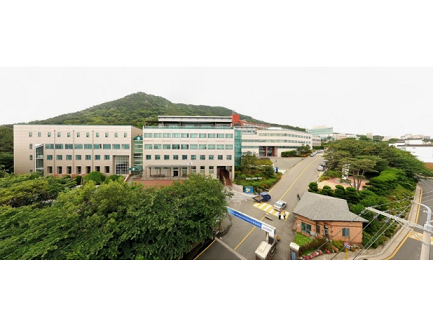
Pusan National University Language Education Institute is one of Korea’s leading language education institutions, dedicated to realizing the educational philosophy of “cultivating global citizens equipped to respond to globalization and an era of change.” Established in October 1961 as the Language Research Center of Pusan National University, the institute has evolved into a comprehensive language education center offering a variety of programs, including Korean and English as foreign languages, aimed at nurturing talent capable of leading in a rapidly changing international environment. As South Korea’s global presence continues to rise and interest in K-culture surges, the demand for Korean language education among foreigners worldwide is expected to keep growing. Every year, students from diverse countries come to our institute to study the Korean language and culture in depth. In addition to language instruction, the institute offers enriching programs such as cultural experiences, visits to historical sites, and Korean language tutoring, helping students gain a broad understanding of Korean culture, history, and society. Moreover, the institute provides a wide range of foreign language courses—including English, Chinese, French, Spanish, and Russian—for Pusan National University students and the general public seeking to improve their language proficiency. 

Dong-A University

First, I will foster communication and harmony among all members of the university. I will listen carefully to the opinions of faculty, staff, and students, making decisions within a reasonable and rational framework. I believe that sincere communication with all members is the most valuable aspect of university management. I will create an environment where everyone can freely express their opinions, and I will listen seriously to criticism or opposing views. Second, I will develop innovative systems to operate the university more efficiently. With the rapidly declining school-age population, the 2021 University Basic Competency Assessment allowed universities to autonomously reduce student intake. By utilizing systematic analysis and diagnostics based on big data, we will clearly identify the strengths and weaknesses of each department and discipline, and reorganize academic programs step by step. In the humanities and social sciences, we will actively introduce linked and interdisciplinary majors to strengthen educational and research capabilities across multiple fields. We will also significantly expand specialized administrative positions to maximize the efficiency of university operations. Third, I aim to revitalize the university’s industry-university cooperation. We will activate the Industry-Academia Cooperation Foundation and establish a “Strategic Planning Team for Large-Scale National Projects” to attract major projects. By efficiently utilizing the Industry-Academia Cooperation Foundation, the Entrepreneurship Support Center, and the LINC+ project, we will provide all necessary support and guidance to help current students and alumni succeed in society. In employment matters, a single effort from a professor can change a student’s life, and as president, I will lead by example. I trust all staff members will join me in this commitment. Fourth, I will actively support a significant leap forward in STEM education. Among the 4,058 new students admitted in 2020, 42% were enrolled in STEM fields. However, despite this proportion, various indicators such as entrance scores and employment rates have been steadily declining, requiring urgent measures. I will establish a “STEM Development Committee” directly under the president to develop short- and long-term plans and implement them as quickly as possible. Finally, I will strategically enhance the university’s internationalization efforts. To strengthen global competitiveness, we will establish MOUs with prestigious overseas institutions and actively recruit international students under the slogan “Dynamic Dong-A Inbound.” We will explore joint degree programs and interdisciplinary education models with foreign universities to create unique and differentiated educational programs exclusive to Dong-A University.  

Kosin University

We cultivate faithful workers of the Kingdom of God who proclaim the lordship of Jesus Christ. International students are trained to serve as dedicated workers for God’s Kingdom. Our institution pursues a true integration of Reformed faith and academic scholarship. We strive to embody the values of God’s Kingdom by establishing concrete and sustainable plans and putting them into practice. Through various volunteer activities, active exchanges with foreign universities, and the global dissemination of Christian culture, we aim to develop practical, mission-oriented talents. Our programs focus on nurturing practical skills for the workforce, cultivating outstanding leaders at Kosin University, providing hands-on employment training, strengthening job-specific professional competencies, and expanding employment infrastructure. By implementing these concrete and practical initiatives, we aim to build a small yet strong university. 

Pusan National University

Pusan National University Language Education Institute is one of Korea’s leading language education institutions, dedicated to realizing the educational philosophy of “cultivating global citizens equipped to respond to globalization and an era of change.” Established in October 1961 as the Language Research Center of Pusan National University, the institute has evolved into a comprehensive language education center offering a variety of programs, including Korean and English as foreign languages, aimed at nurturing talent capable of leading in a rapidly changing international environment. As South Korea’s global presence continues to rise and interest in K-culture surges, the demand for Korean language education among foreigners worldwide is expected to keep growing. Every year, students from diverse countries come to our institute to study the Korean language and culture in depth. In addition to language instruction, the institute offers enriching programs such as cultural experiences, visits to historical sites, and Korean language tutoring, helping students gain a broad understanding of Korean culture, history, and society. Moreover, the institute provides a wide range of foreign language courses—including English, Chinese, French, Spanish, and Russian—for Pusan National University students and the general public seeking to improve their language proficiency. 

There is no registered school information.

Dong-A University

First, I will foster communication and harmony among all members of the university. I will listen carefully to the opinions of faculty, staff, and students, making decisions within a reasonable and rational framework. I believe that sincere communication with all members is the most valuable aspect of university management. I will create an environment where everyone can freely express their opinions, and I will listen seriously to criticism or opposing views. Second, I will develop innovative systems to operate the university more efficiently. With the rapidly declining school-age population, the 2021 University Basic Competency Assessment allowed universities to autonomously reduce student intake. By utilizing systematic analysis and diagnostics based on big data, we will clearly identify the strengths and weaknesses of each department and discipline, and reorganize academic programs step by step. In the humanities and social sciences, we will actively introduce linked and interdisciplinary majors to strengthen educational and research capabilities across multiple fields. We will also significantly expand specialized administrative positions to maximize the efficiency of university operations. Third, I aim to revitalize the university’s industry-university cooperation. We will activate the Industry-Academia Cooperation Foundation and establish a “Strategic Planning Team for Large-Scale National Projects” to attract major projects. By efficiently utilizing the Industry-Academia Cooperation Foundation, the Entrepreneurship Support Center, and the LINC+ project, we will provide all necessary support and guidance to help current students and alumni succeed in society. In employment matters, a single effort from a professor can change a student’s life, and as president, I will lead by example. I trust all staff members will join me in this commitment. Fourth, I will actively support a significant leap forward in STEM education. Among the 4,058 new students admitted in 2020, 42% were enrolled in STEM fields. However, despite this proportion, various indicators such as entrance scores and employment rates have been steadily declining, requiring urgent measures. I will establish a “STEM Development Committee” directly under the president to develop short- and long-term plans and implement them as quickly as possible. Finally, I will strategically enhance the university’s internationalization efforts. To strengthen global competitiveness, we will establish MOUs with prestigious overseas institutions and actively recruit international students under the slogan “Dynamic Dong-A Inbound.” We will explore joint degree programs and interdisciplinary education models with foreign universities to create unique and differentiated educational programs exclusive to Dong-A University.  

Kosin University

We cultivate faithful workers of the Kingdom of God who proclaim the lordship of Jesus Christ. International students are trained to serve as dedicated workers for God’s Kingdom. Our institution pursues a true integration of Reformed faith and academic scholarship. We strive to embody the values of God’s Kingdom by establishing concrete and sustainable plans and putting them into practice. Through various volunteer activities, active exchanges with foreign universities, and the global dissemination of Christian culture, we aim to develop practical, mission-oriented talents. Our programs focus on nurturing practical skills for the workforce, cultivating outstanding leaders at Kosin University, providing hands-on employment training, strengthening job-specific professional competencies, and expanding employment infrastructure. By implementing these concrete and practical initiatives, we aim to build a small yet strong university. 

Pusan National University

Pusan National University Language Education Institute is one of Korea’s leading language education institutions, dedicated to realizing the educational philosophy of “cultivating global citizens equipped to respond to globalization and an era of change.” Established in October 1961 as the Language Research Center of Pusan National University, the institute has evolved into a comprehensive language education center offering a variety of programs, including Korean and English as foreign languages, aimed at nurturing talent capable of leading in a rapidly changing international environment. As South Korea’s global presence continues to rise and interest in K-culture surges, the demand for Korean language education among foreigners worldwide is expected to keep growing. Every year, students from diverse countries come to our institute to study the Korean language and culture in depth. In addition to language instruction, the institute offers enriching programs such as cultural experiences, visits to historical sites, and Korean language tutoring, helping students gain a broad understanding of Korean culture, history, and society. Moreover, the institute provides a wide range of foreign language courses—including English, Chinese, French, Spanish, and Russian—for Pusan National University students and the general public seeking to improve their language proficiency. 

X